
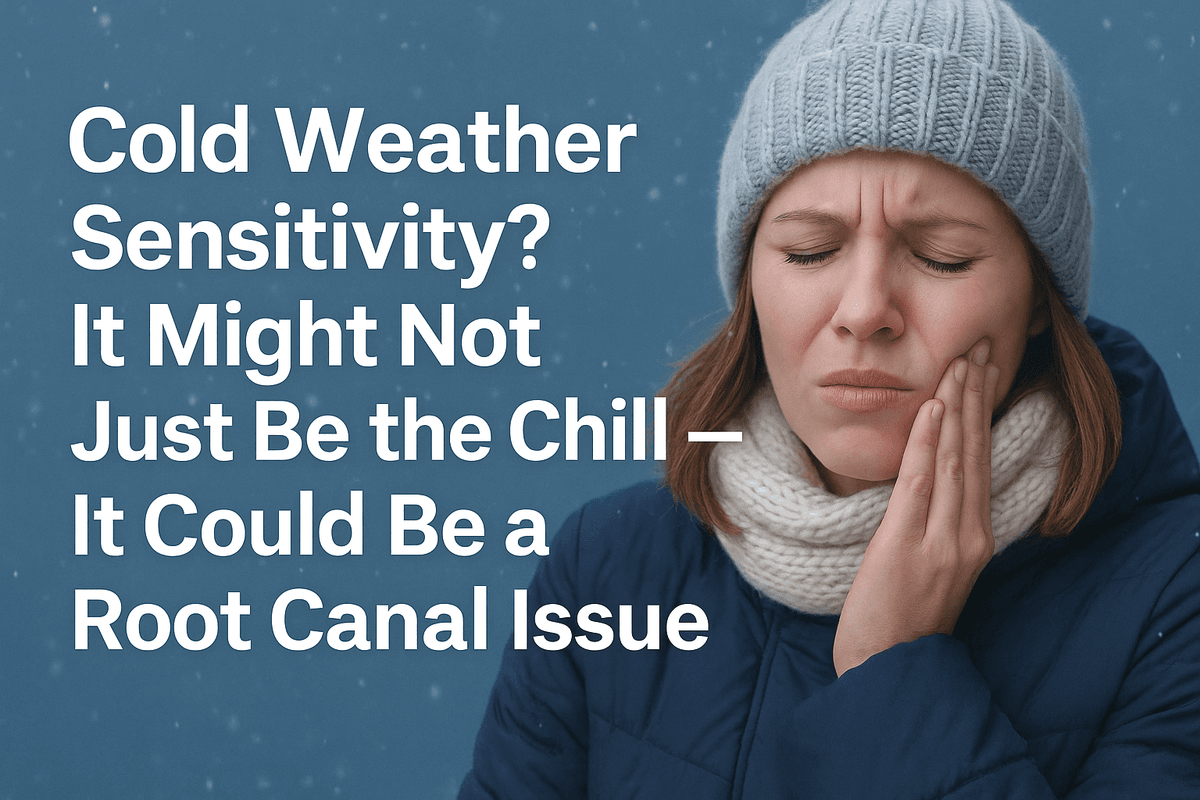
As the temperature drops and winter winds sweep in, many people notice an unexpected side effect — a sharp, tingling sensation in their teeth. You sip on hot tea, step outside into the chilly air, and suddenly — ouch! Tooth sensitivity in winter is more common than you think. But here’s the catch: sometimes, what feels like normal cold-weather sensitivity could actually be a sign of a deeper dental issue — one that might require a root canal treatment.
Understanding how to differentiate between temporary sensitivity and a serious tooth infection can help you seek timely care and save your tooth from further damage.
Why Teeth Feel Sensitive in Winter
Your teeth are more sensitive to temperature changes than you might realize. When exposed to cold air or warm beverages, the enamel on your teeth contracts and expands. This can expose microscopic cracks or thin spots, allowing sensations to reach the inner dentin and nerves — causing pain or discomfort.
Common reasons for tooth sensitivity in winter include:
- Worn or thin enamel due to brushing too hard or acidic foods
- Receding gums exposing the tooth root
- Cracked or chipped teeth
- Tooth decay or cavities
- Post-dental treatment sensitivity
In most cases, these issues cause mild, short-term discomfort. However, if your pain is sharp, lingering, or localized to one tooth, it could be more than just sensitivity — it might be a sign of infection inside the tooth pulp.
When Sensitivity Means Something More Serious
How can you tell the difference between regular winter sensitivity and a tooth that needs a root canal?
Here are the warning signs to watch for:
- Persistent Tooth Pain – If your tooth hurts for more than a few seconds after exposure to cold or heat, it could mean the nerve is inflamed or infected.
- Swollen or Tender Gums – Infection at the root tip can cause swelling, tenderness, or even a small pimple-like bump on your gums.
- Discoloration of the Tooth – A tooth turning darker or grayish can be a sign that the inner pulp is damaged.
- Pain While Chewing – Discomfort or throbbing when biting down may indicate infection inside the tooth.
- Lingering Sensitivity – Pain that doesn’t fade quickly after cold exposure is one of the most common signs you might need a root canal treatment.
If you’re noticing any of these symptoms, don’t delay visiting a root canal dentist in Indore. Early diagnosis and treatment can prevent the infection from spreading and help save your natural tooth.
How Cold Weather Can Aggravate Root Canal Issues
Cold air can intensify existing dental problems. If a tooth’s nerve is already inflamed, exposure to low temperatures can trigger or worsen pain. Similarly, for patients who have had a recent root canal, sudden temperature changes might cause temporary discomfort until the tooth fully heals.
That’s why it’s important to:
- Avoid sudden shifts between hot and cold foods
- Use a soft-bristled toothbrush
- Rinse with warm (not hot) salt water if discomfort persists
These small steps can go a long way in easing sensitivity during chilly months.
Root Canal Treatment: The Permanent Relief
If the infection has reached the pulp of your tooth, a root canal is often the only way to save it. Contrary to popular belief, modern root canal treatments are quick, comfortable, and virtually painless thanks to advanced dental technology.
Here’s how it works:
- The dentist numbs the area completely.
- The infected pulp is carefully removed.
- The inside of the tooth is cleaned, disinfected, and sealed.
- A dental crown is placed to restore strength and appearance.
This treatment not only eliminates pain but also preserves your natural tooth structure — helping you chew, smile, and speak normally again.
Winter Dental Care Tips to Prevent Tooth Sensitivity
Prevention is always better than cure. Here are some practical winter dental care tips to keep sensitivity and infections at bay:
- Use a toothpaste for sensitive teeth to strengthen enamel and reduce discomfort.
- Avoid biting into hard foods like nuts or ice, especially straight from the fridge.
- Brush gently using a soft-bristled toothbrush and fluoride toothpaste.
- Stay hydrated — winter air can dry out your mouth, reducing saliva that protects your teeth.
- Get a regular dental checkup every 6 months to detect early signs of decay or infection.
These small habits can help protect your teeth throughout the cold months and minimize the chances of requiring a root canal.
When to See a Dentist
If your tooth pain lingers, gets worse in cold weather, or radiates to your jaw or ear, it’s time to see a professional. A root canal specialist (Dr. Anuj Bhardwaj) can take X-rays, evaluate the cause, and recommend whether you need a filling, desensitizing treatment, or a root canal.
Ignoring the problem might only make it worse — and more painful — as the infection spreads deeper.
Don’t Let Winter Tooth Pain Take Over Your Smile
You don’t have to live with tooth sensitivity this winter. Whether it’s mild discomfort or severe pain, our dental experts at Bhardwaj Dental Clinic are here to help. We specialize in painless root canal treatments and personalized dental care to restore your comfort and confidence.

Dr. Amit Bhardwaj
Consulting Orthodontist at Bhardwaj Dental Clinic Indore, dedicated to providing advanced, painless, and aesthetic dental treatments.
 General Dentistry